Arrow Sudoku Rules Explained in One Short Example
A circle holding 9 sits at the start of a three-cell arrow. 1, 3 and 6 add up to 10, which is too big, and 2, 3 and 4 add up to exactly 9.
Transcript
The rule
An arrow starts at a circle and runs across one or more cells. The digits on the arrow add up to the digit in the circle. Normal sudoku rules still apply.
Because the circle holds a single digit, an arrow can't total more than 9. That cap keeps arrow digits small and pushes circles toward the high digits.
Worth memorizing
The circle is at least the smallest sum the arrow can make.
Two cells in one box make at least 1 + 2 = 3.
Long arrows force small digits: four cells in a box sum to at least 10, too big for one circle, so they must cross boxes.
Some puzzles use two-cell “pill” circles, which read as a two-digit number.
More rule videos
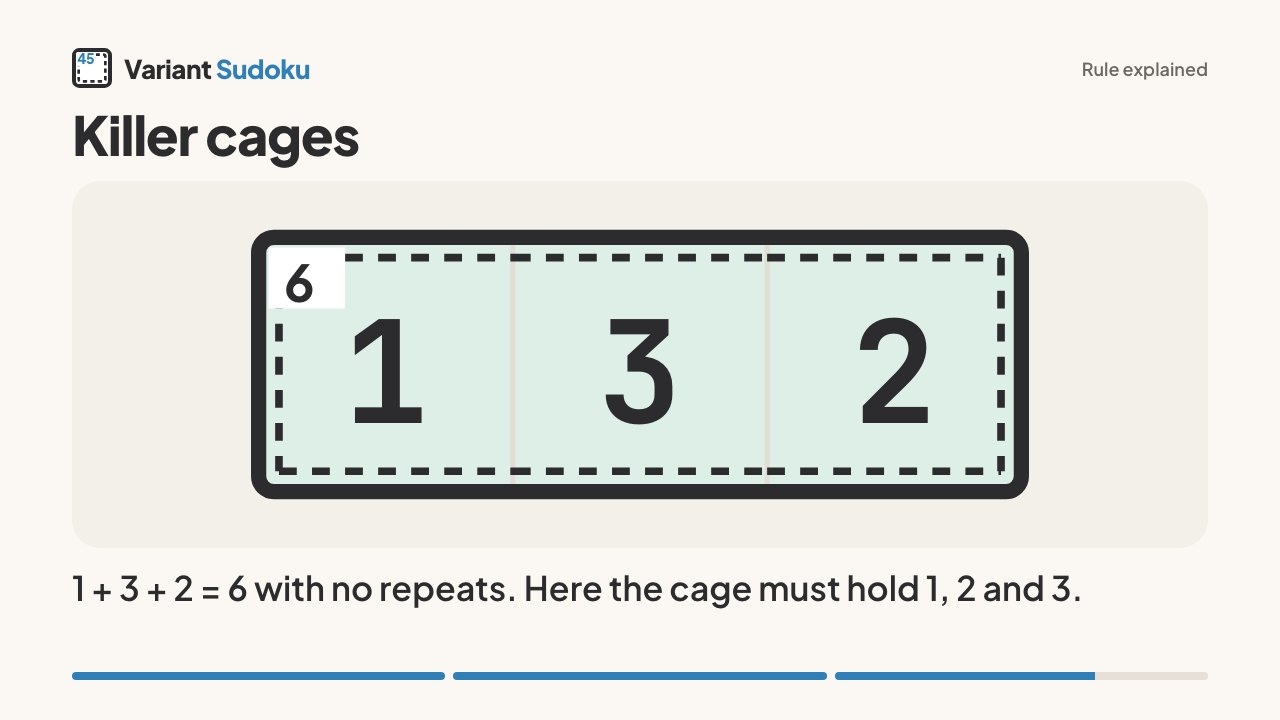 0:15Killer cagesKiller Sudoku Rules Explained in One Short Example
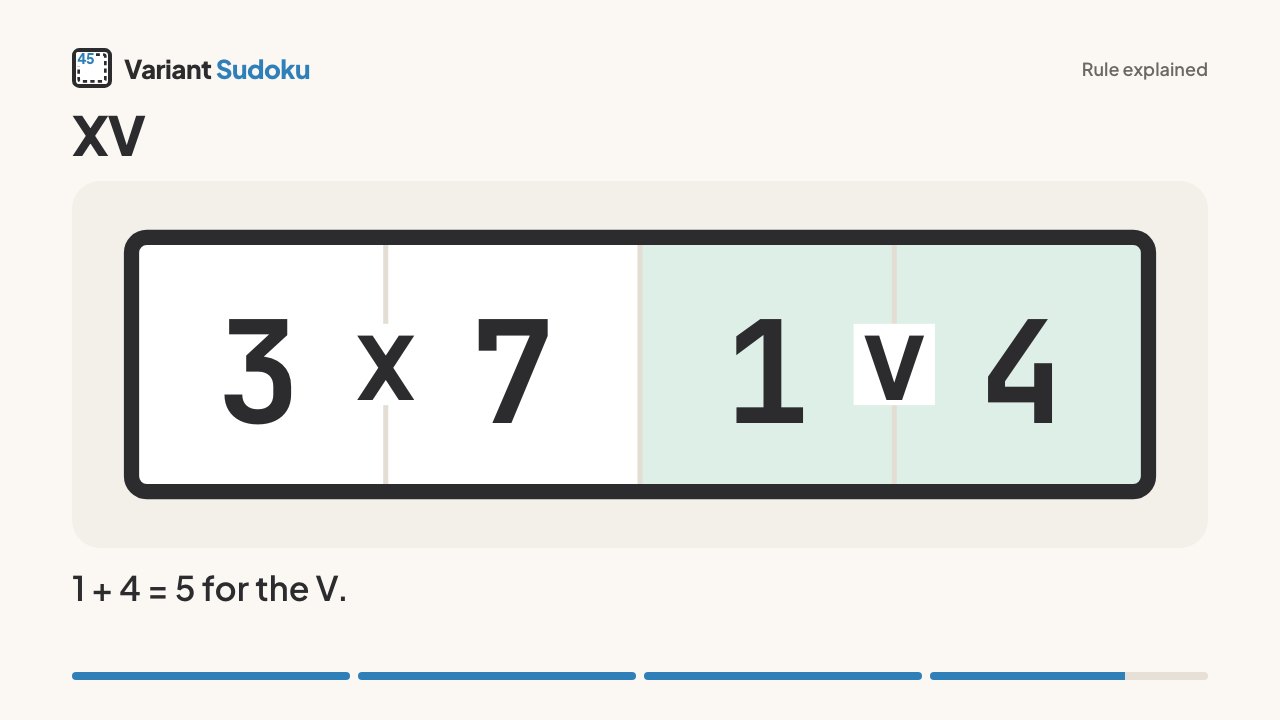 0:18XVXV Sudoku Rules Explained in One Short Example
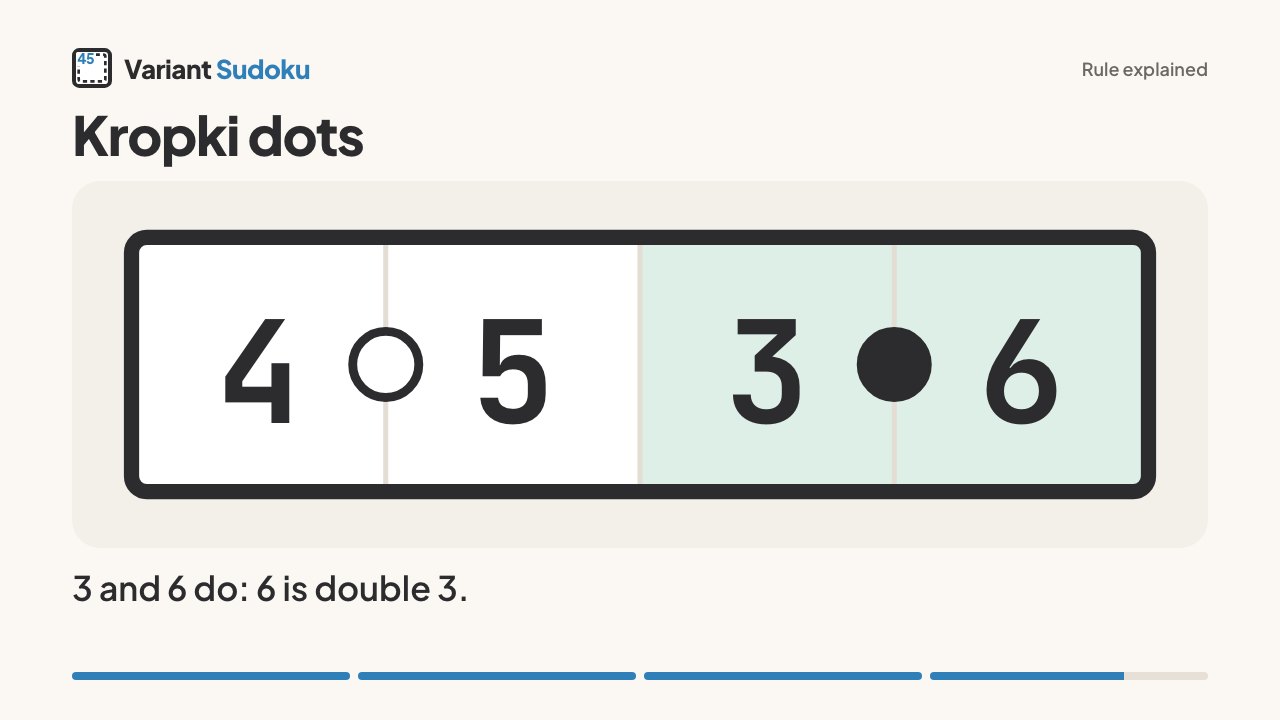 0:18Kropki dotsKropki Sudoku Dots Explained in One Short Example
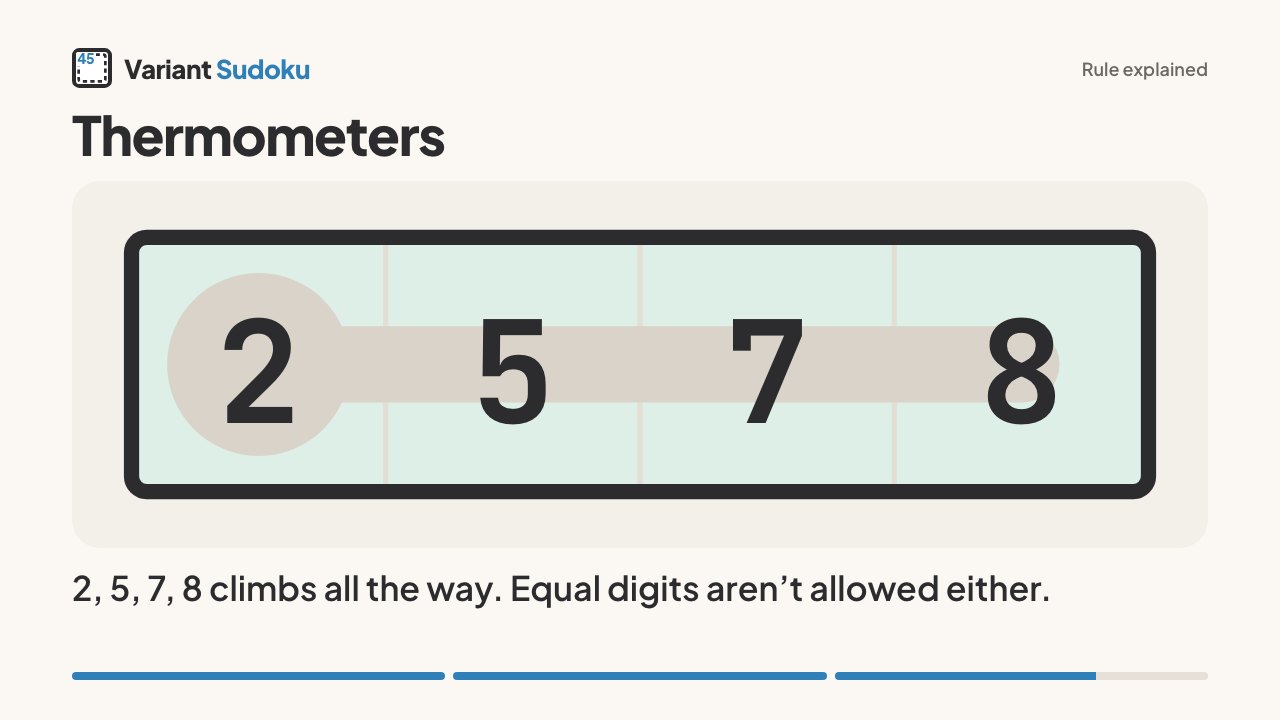 0:15ThermometersThermo Sudoku Rules Explained in One Short Example
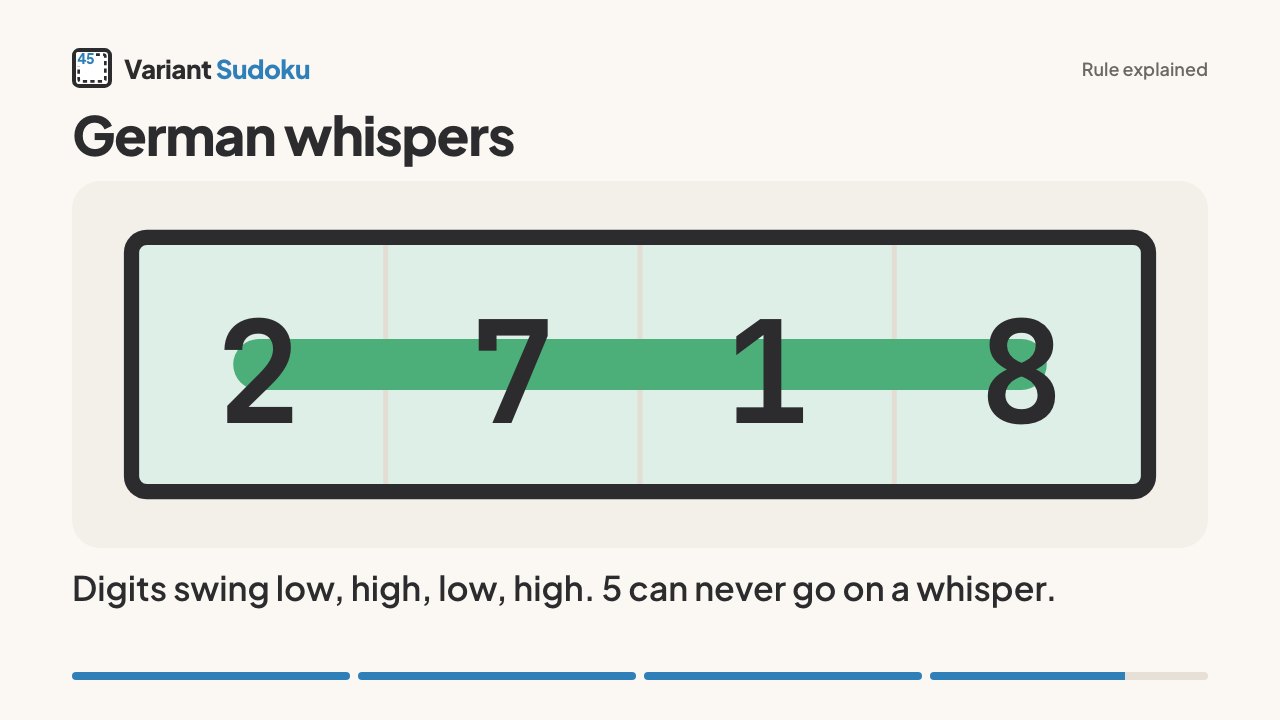 0:18German whispersGerman Whispers Sudoku Explained in One Short Example
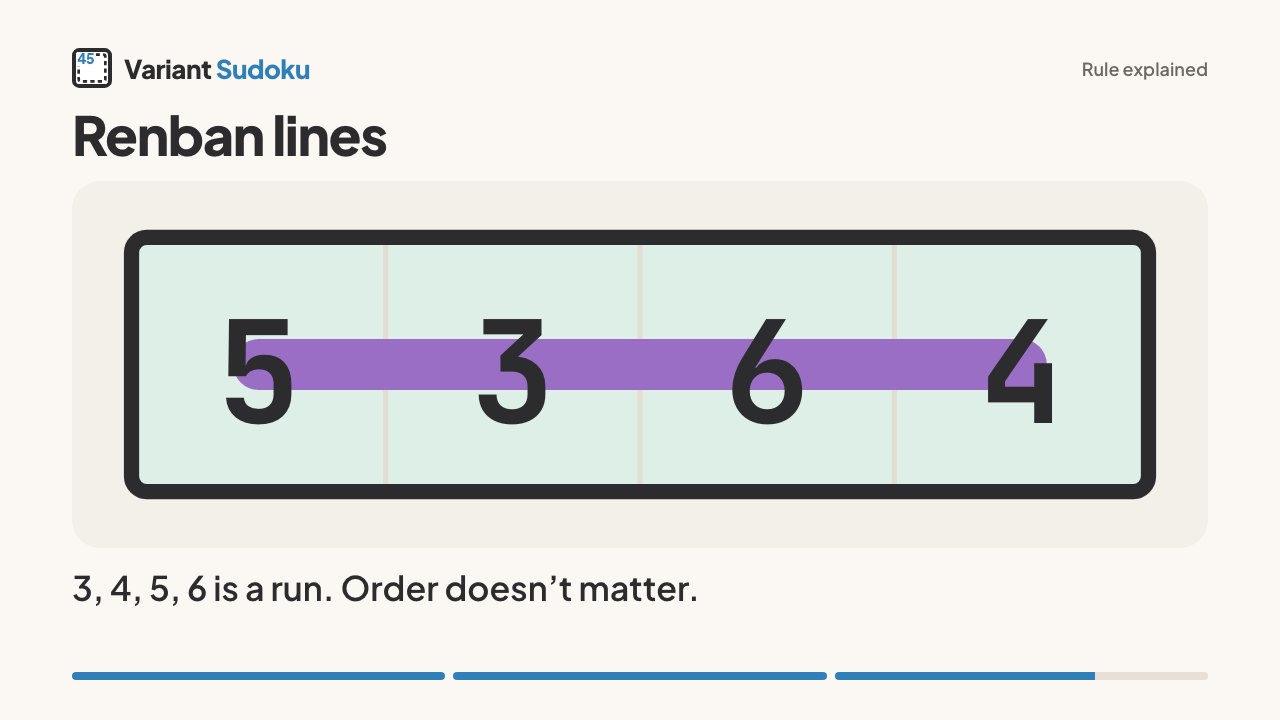 0:15Renban linesRenban Lines Explained in One Short Example
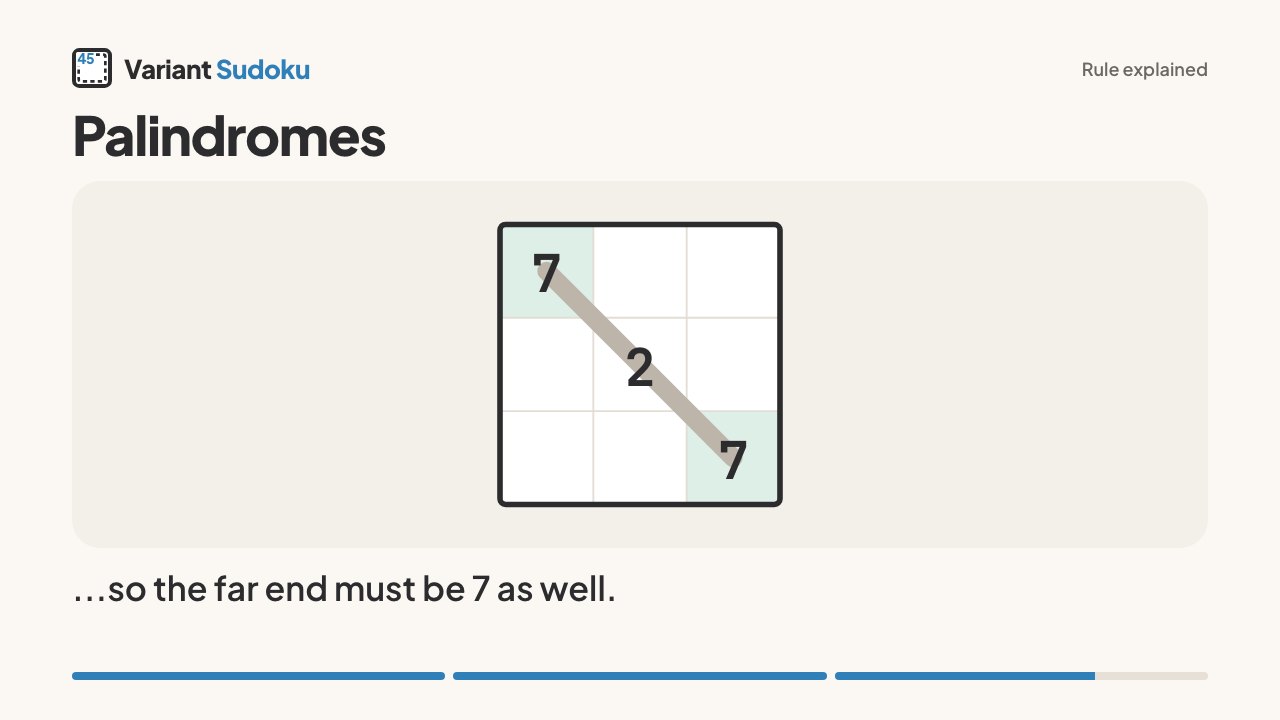 0:15PalindromesPalindrome Sudoku Lines Explained in One Short Example
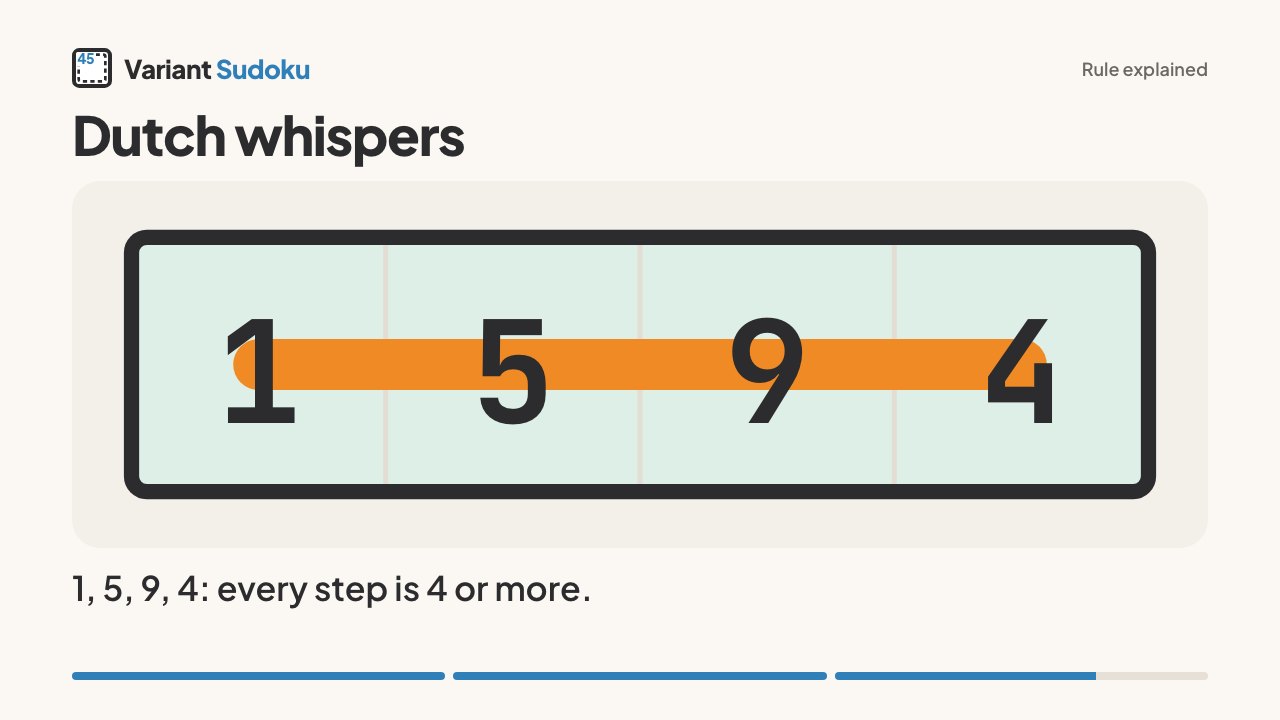 0:15Dutch whispersDutch Whispers Sudoku Explained in One Short Example